If you’re here, you’re looking for an edge — whether that’s mastering advanced gaming mechanics, understanding the latest esports meta, or fine-tuning your controller for peak performance. Competitive gaming moves fast, and small details like optimized settings, smarter positioning, and deeper knowledge of hitboxes and frame data can be the difference between clutching a round and watching the respawn screen.
This article is built to give you practical, game-ready insights. We break down core mechanics, analyze pro-level strategies, and explore stick-based controller mods and optimization hacks that actually translate into better in-game results. Every recommendation is grounded in hands-on testing, meta analysis, and close study of high-level competitive play.
Whether you’re grinding ranked, entering tournaments, or just aiming to outperform your squad, you’ll find clear explanations and actionable strategies designed to help you play smarter, react faster, and compete at a higher level.
Beyond Button Mashing: The Hidden Language of Pro Gaming
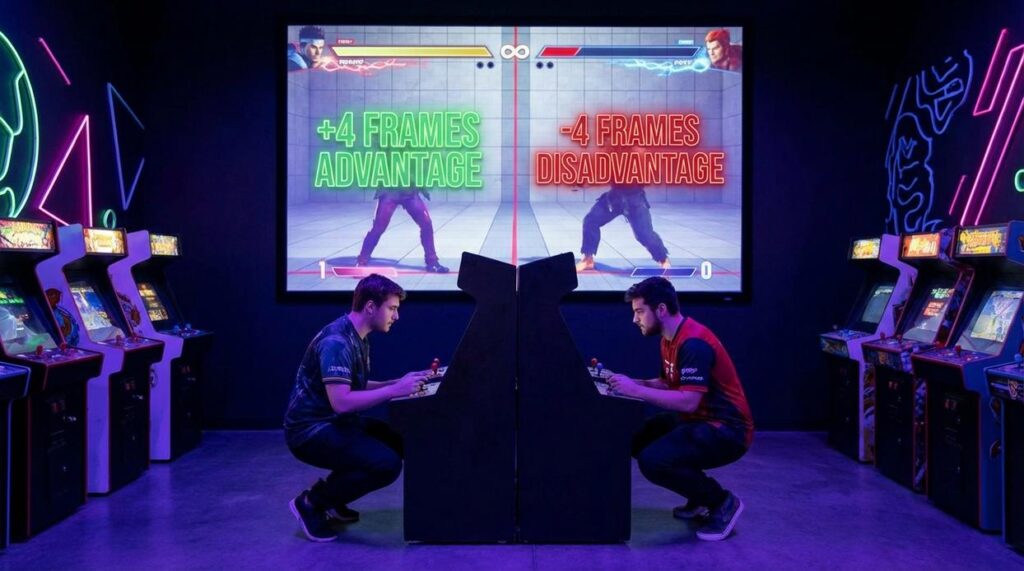
If you’ve plateaued, it’s not your reflexes—it’s your math. Competitive titles run on invisible geometry and timing systems. In Street Fighter V, for example, top players win exchanges because they understand hitboxes and frame data, not because they mash faster. Capcom’s publicly released frame charts show certain moves grant +2 frame advantage on block, meaning you recover two frames sooner than your opponent—enough to guarantee a follow-up.
This is the difference between guessing and knowing.
Esports analysts regularly cite frame traps and spacing control as match-deciding factors in EVO finals. Study training-mode overlays, record matches, and test punish windows. (Yes, lab work beats luck.)
The Invisible Geometry: A Deep Dive into Hitboxes and Hurtboxes
At first glance, fighting games look purely visual. If a punch touches a face, it should hit—right? Not exactly. Under the hood, every character operates on invisible geometry.
A hitbox is the invisible area an attack covers—the space where it can deal damage. A hurtbox, on the other hand, is the area where your character can be hit. Think of hitboxes as active danger zones and hurtboxes as vulnerable space. They overlap, or they don’t. That overlap decides everything.
Some players argue this system feels “unfair,” especially when an animation clearly shows contact but no damage registers. However, visuals are often exaggerated for style. The game engine prioritizes precision over cinematic flair. For example, a crouching character may shrink their hurtbox enough to slip under a high kick. It looks dramatic (and sometimes lucky), but it’s calculated.
The Power of Disjoints
Now consider a sword slash. In many games, the blade’s hitbox extends far beyond the wielder’s hurtbox. This is called a disjoint—when the attack’s active area exists where the character cannot be hit. Consequently, sword fighters dominate mid-range spacing because they threaten opponents without equal risk. That’s not broken design; it’s a feature that rewards positioning.
Still, skeptics say players shouldn’t need lab time to understand this. Fair point. Yet competitive depth thrives on clarity. Open training mode and enable hitboxes and frame data. Test your main while walking, crouching, and dashing. Notice how hurtboxes shift per animation.
Pro tip: Record the dummy attacking high, then crouch and review frame-by-frame. You’ll see the geometry working for you—not against you.
Timing is Everything: Decoding Frame Data to Control the Fight
“Why does my attack keep losing?”
“Because you’re pressing buttons without knowing the FRAMES.”
That blunt exchange happens in every fighting game scene eventually.
What Is a Frame?
A frame is the smallest unit of time in most fighting games—typically 1/60th of a second. That means 60 tiny slices of action every second. Miss by three frames? That’s 3/60ths of a second—barely visible, totally decisive.
When players talk about hitboxes and frame data, they’re talking about the invisible math that decides who wins an exchange (yes, even when it “looks” like you hit first).
The Three Core Phases of Any Move
Every attack has three parts:
- Startup – The wind-up before the move can hit. Faster startup usually means you interrupt opponents more easily. If your jab starts in 4 frames and theirs in 7, you win that race.
- Active – The window where the attack can actually connect. Longer active frames make moves easier to land.
- Recovery – The cooldown after the move. You can’t block or act. Long recovery = you’re exposed.
Think of it like throwing a punch in real life. You pull back (startup), extend (active), then reset your stance (recovery).
The Concept of Advantage
“Is that move safe?”
“It’s minus 12 on block. FREE PUNISH.”
If you’re plus on block, you recover before your opponent. You act first. If you’re minus on block, they do.
Knowing what’s safe or unsafe on block is the single most important competitive detail. A flashy move that’s -18 on block? That’s begging to be punished (and good players will).
Some argue reactions matter more than numbers. True—reads and instincts win rounds. But frame knowledge turns guesses into calculated pressure. It’s the backbone of risk vs reward strategic decision making in competitive play.
Actionable Insight
Look up your game’s frame data (official guides, community wikis, training mode tools). Identify:
- Your fastest attack (your “jab” or punish tool)
- Your most unsafe, high-recovery moves
Use the first often. Use the second carefully. Timing isn’t everything.
It’s the only thing.
From Lab to Ladder: Practical Strategies Using Hitboxes and Frame Data
The Art of the Punish
Every fighting game player has said it: “That move is broken.” Usually, it’s not broken. It’s unsafe.
An unsafe move is one with high recovery frames—the period after an attack where the character can’t block or act. If your opponent whiffs a heavy uppercut that leaves them stuck for 30 frames, and your fastest attack starts in 6 frames, the math is simple. You get guaranteed damage.
Some argue that real matches are too chaotic for frame-perfect punishes. That’s fair—nobody’s counting frames mid-scramble. But you don’t need to. Lab the scenario once. Build muscle memory. (Think of it like rehearsing a combo in a sports montage—less dramatic music, more repetition.)
Creating Frame Traps
A move that is plus on block means you recover before your opponent does—even though they blocked. If you’re +3 and press a 5-frame jab, it effectively behaves like a 2-frame move. If they mash a 4-frame button, they lose.
Critics say frame traps only work on impatient players. True—to a point. But pressure forces decisions. Even disciplined opponents crack when conditioned. Pro tip: establish safe pressure first, then sneak in the trap once they feel comfortable.
Mastering Spacing (Zoning)
Spacing is where hitboxes and frame data truly shine. Use long-range, disjointed attacks—moves where the damaging area extends beyond your hurtbox—to control space. Keep opponents at a range where their fastest options simply won’t reach.
Some players dismiss zoning as “running away.” Yet tournament data consistently shows spacing-heavy strategies winning majors across titles (Capcom Pro Tour results, 2023). Control isn’t cowardice; it’s efficiency.
The Mental Game
Understanding these systems reduces frustration. Instead of blaming “jank,” you identify the interaction: you pressed during disadvantage. That shift—from emotion to analysis—turns losses into adjustments. And that’s how lab work becomes ladder wins.
Unlocking Your Competitive Edge
You already know this now: every match is a negotiation of space and time. And once you see it, you can’t unsee it. The gap between you and stronger players isn’t magic reflexes—it’s cleaner control over hitboxes and frame data. In my opinion, that realization is empowering. It turns frustration into something measurable.
Some players insist it’s all “instinct.” I disagree. Instinct is just trained recognition.
- Training mode is where that recognition is built.
Find your fastest move. Compare it to the attack you keep losing to. Study the numbers. Practice the punish until it’s automatic. That’s how guessing becomes control.
Dominate Your Next Match
You came here to sharpen your edge—and now you understand how mastering hitboxes and frame data can completely change the outcome of your matches. When every millisecond counts, guessing isn’t good enough. Precision is.
Most players lose not because they lack skill, but because they lack optimized setups, tight execution, and a deep understanding of mechanics. That frustration of dropping combos, mistiming punishes, or losing close rounds? It’s avoidable.
Now it’s your move.
Start applying these optimizations in your next session. Lab your setups. Study your frame data. Refine your positioning around hitboxes. Small adjustments create massive competitive advantages.
If you’re serious about climbing ranks and outperforming your competition, don’t stop here. Dive deeper into advanced guides, test pro-level controller optimizations, and keep refining your strategy. Thousands of competitive players are already upgrading their performance—now it’s your turn.
Queue up, lock in, and play smarter.