
If you’re searching for practical ways to level up your gameplay—whether through smarter mechanics, optimized controller setups, or sharper competitive strategies—you’re in the right place. The modern gaming landscape moves fast, and staying ahead means understanding not just what works, but why it works. This article breaks down advanced gaming mechanics, esports trends, stick-based controller mods, and performance optimization hacks that serious players are using right now.
We’ve analyzed competitive match data, studied pro gameplay patterns, and tested controller configurations to separate gimmicks from genuine advantages. Beyond raw mechanics, we’ll also explore the often-overlooked edge of mental resilience in esports, because skill alone doesn’t win tournaments—consistency under pressure does.
Whether you’re grinding ranked, competing in tournaments, or refining your setup for peak performance, this guide delivers actionable insights designed to give you a measurable competitive edge.
Forging the Unbreakable Gamer: Why Your Mind is Your Ultimate Weapon
High-stakes matches aren’t lost to mechanics; they’re lost to MELTDOWNS. Tilt—emotional dysregulation after setbacks— hijacks decision-making faster than lag. Many players insist grinding aim fixes everything. I disagree. Without mental resilience in esports, your skill ceiling shrinks.
Pressure triggers cortisol, narrowing focus and impulsivity (think Anakin on Mustafar). Reframe losses as data, not identity. Use controlled breathing—four seconds in, four hold, four out—to reset arousal. PRO TIP: review VODs only after heart rate normalizes.
| Trigger | Default Reaction | Elite Response |
| Tilt | Blame teammates | Isolate decision error |
| Anxiety | Rush plays | Slow tempo |
Master the mind, and mechanics follow. Focus wins championships, not flashy mechanics. Period.
The Root of Tilt: Deconstructing Performance Anxiety and Burnout
Before you can fix a mental slump, you have to name it correctly. Players often lump everything under “tilt,” but that’s only part of the picture.
Tilt is an in-game emotional spiral after a mistake. Performance anxiety happens before the match—sweaty palms, racing thoughts, fear of letting teammates down. Burnout is long-term exhaustion caused by sustained stress and overpractice (think playing ranked like it’s a 9–5 with no weekends).
Here’s what’s happening under the hood: the fight-or-flight response. When your brain senses threat—even a lost 1v1—it releases adrenaline and cortisol (Harvard Health Publishing). That surge is great for sprinting, terrible for fine motor control, decision-making, and clear comms. Suddenly your aim shakes, your calls get snappy, and you overpeek.
Common triggers include:
- Losing a crucial clutch.
- Facing an unexpected strategy.
- Receiving harsh teammate feedback.
- Personal mistakes that cost a round.
One error becomes two. You rush the next play to “make up” for it. You stop gathering info. The match slips away. Your confidence drops for the next queue.
Breaking this cycle starts with awareness. Pause between rounds. Slow your breathing. Reframe mistakes as data. Building mental resilience in esports isn’t optional—it’s a competitive edge.
Technique 1: The “Reset Ritual” for In-Game Composure”
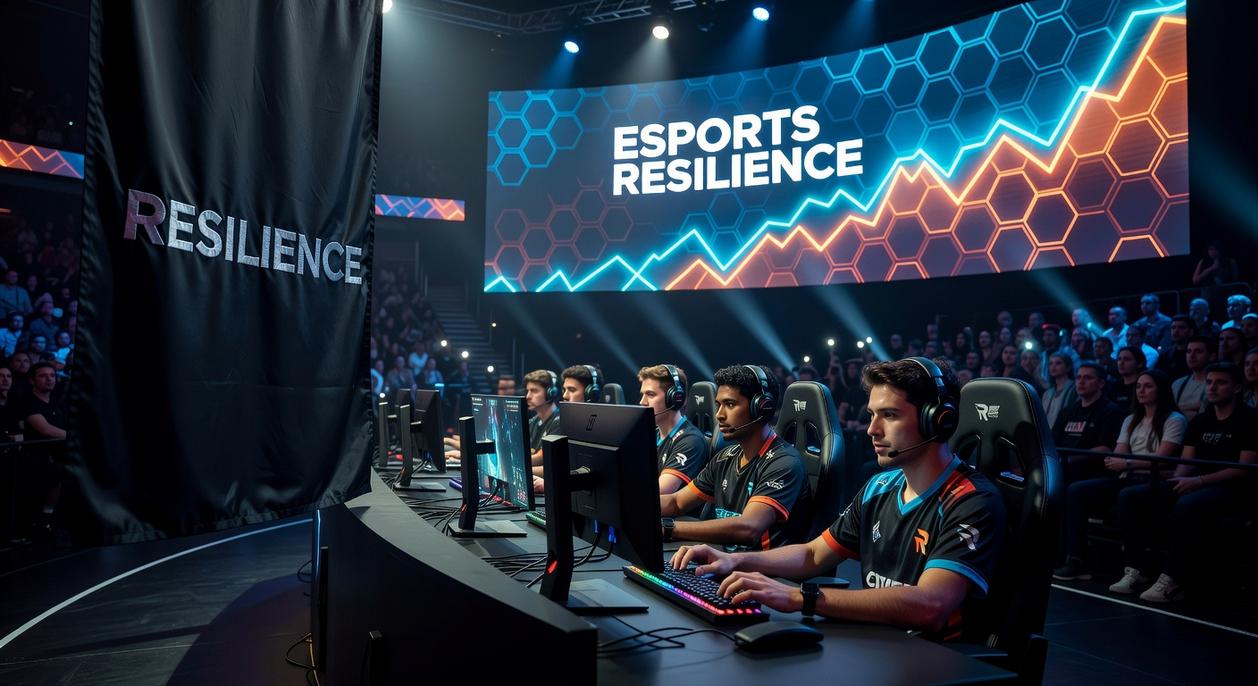
Tilt happens. One bad push, one missed shot, and suddenly you’re spiraling like Anakin five minutes before going full Darth Vader. That’s where the Reset Ritual comes in—a mental “reset button” you activate between rounds, after a death, or during a pause to regain control.
Core Concept: A reset ritual is a repeatable mental and physical sequence that interrupts negative thought loops and restores focus. Think of it as CTRL+ALT+DEL for your brain (but faster).
The 4-7-8 Breathing Method
This technique lowers heart rate and restores cognitive control in under 30 seconds (Harvard Health Publishing notes controlled breathing can calm the nervous system).
• Inhale through your nose for 4 seconds
• Hold for 7 seconds
• Exhale slowly for 8 seconds
Repeat once or twice. That’s it. Simple. EFFECTIVE.
Some players argue breathing techniques are “too slow” for high-speed ranked play. Fair point. But the physiological response to stress—elevated cortisol and heart rate—directly impacts reaction time and decision-making. If you want peak performance, you need control.
Physical Anchoring
Physical anchoring means attaching composure to a small, consistent action—like squeezing your controller grip twice or making a deliberate stick circle. This grounds you in the present and breaks the tilt loop (a core pillar of mental resilience in esports).
Practical Application
• Valorant: Use the buy phase to run one 4-7-8 cycle before locking your weapon.
• MOBA respawn: Anchor with a grip reset before re-entering lane.
Pro tip: Pair your reset ritual with structured growth planning—like exploring career paths in esports beyond being a pro player. Composure isn’t just for this match. It’s for the long game.
Technique 2: “Constructive Reframing” for Post-Game Growth
Frustrating losses trigger a predictable response: blame. The matchmaking was unfair. Your teammate threw. The controller felt off. But Constructive Reframing means deliberately shifting from emotional reaction to structured analysis. Instead of asking, “Who messed up?” you ask, “What can this teach me?”
Many players resist this. They argue that overanalyzing kills confidence or that instinct matters more than reflection. There’s truth there—overthinking mid-match is dangerous. But post-game? That’s where growth lives. The difference between plateauing and leveling up often comes down to review habits.
The Three Whys Method
Borrowed from root-cause analysis, the Three Whys method digs deeper than surface mistakes.
Example:
- I lost the 1v1. Why? I missed my flick.
- Why? My crosshair placement was low.
- Why? I rushed the peek without clearing the angle.
Now the issue isn’t “bad aim.” It’s decision timing. That’s coachable.
Separating identity from performance is equally critical. A bad game is a data point, not a verdict on your skill ceiling (even if it feels like one). Pros treat matches like lab results—information to refine mechanics, positioning, and timing. This mindset fuels long-term mental resilience in esports.
Finally, use actionable journaling. Keep it simple:
- One thing that went well
- One key mistake
- One specific goal for next session
Example goal: “Hold wider angles before re-peeking.”
Pro tip: Review logs weekly to spot patterns competitors overlook—fatigue timing, map-specific errors, or tilt triggers. Most guides stop at “stay positive.” The edge comes from measurable behavioral adjustments. That’s reframing done right.
Building a Resilient Routine: Pre-Game Warm-ups and Post-Game Cool-downs
The Mental Warm-up is a focused 10-minute ritual: close your eyes, hear the crowd’s low hum, feel the controller’s cool weight, and visualize crisp executions. Set one clear goal, then run quick mechanical drills or snap on hand-warmers to spark circulation. This primes confidence and sharpens mental resilience in esports.
The Digital Detox Cool-down means stepping away for 15-minute silence: stretch, breathe in the faint plastic-and-dust scent, let the screen’s afterglow fade. Lessons settle when noise stops.
- Optimize your setup: a well-modded stick controller cushions your palms, reduces strain, and keeps movements smooth and consistent during marathons.
Your Next Steps to Mental Fortitude in Esports
You now have a toolkit to combat tilt and anxiety, turning pressure into fuel. Still, I cannot promise every match will feel easy. What remains clear, however, is that inconsistency and emotional spirals block rank progression more than raw aim. That is where structured routines outperform talent alone. In fact, mental resilience in esports often separates contenders from champions. Start small: implement the Reset Ritual next session and notice your composure stabilize between rounds. Pro tip: track your mood before and after each game. Over time, patterns emerge, though I admit the timeline varies for everyone. Adjust patiently. Then climb.
Level Up Your Competitive Edge
You came here to understand what truly separates casual players from elite competitors. Now you can see that mechanics, strategy, optimization, and mental resilience in esports are the real difference-makers when the pressure is on.
Every missed shot, every split-second decision, and every high-stakes tournament moment tests your preparation. The pain point isn’t just losing—it’s knowing you could have performed better with the right tools, mindset, and optimizations in place.
The good news? That gap is fixable. When you fine-tune your controller setup, apply smart optimization hacks, study pro-level strategies, and actively build mental resilience in esports, you give yourself a measurable competitive advantage.
Now it’s your move. Don’t settle for average gameplay. Explore advanced controller mods, apply proven performance tweaks, and start training like a pro today. Join thousands of competitive players who trust our insights to sharpen their edge—then put what you’ve learned into action and dominate your next match.