
Competitive gaming isn’t just evolving—it’s accelerating. From advanced stick-based controller mods to high-stakes tournaments fueled by esports prize pool growth, players and fans alike are trying to keep up with a landscape that changes by the season.
If you’re here, you’re likely looking for clear, actionable insights: how modern gaming mechanics are shifting competitive play, which optimization hacks actually improve performance, and what pro strategies are separating top-tier competitors from the rest. This article delivers exactly that—breaking down the mechanics behind today’s biggest esports moments, the controller innovations influencing gameplay, and the trends shaping the competitive scene.
Our analysis draws on in-depth gameplay testing, tournament data, and ongoing coverage of the esports ecosystem to ensure accuracy and relevance. Whether you’re grinding ranked matches or following the pro circuit, you’ll gain practical insights you can apply immediately—both in-game and in understanding where competitive gaming is headed next.
From Pixels to Paychecks: Decoding the Esports Gold Rush
Headlines celebrate million-dollar trophies, yet the real story sits behind the curtain. At first, it looks like magic: bigger games, bigger checks. However, compare two models.
Publisher-backed tournaments operate like the NFL: centralized funding, media rights, and brand sponsors footing the bill. Crowdfunded circuits, by contrast, mirror Kickstarter: fans chip in through in-game purchases, boosting esports prize pool growth directly.
Critics argue this bubble will burst, citing volatile sponsorship markets. Yet diversified revenue—ads, media deals, merchandise—spreads risk. Ultimately, understanding who pays clarifies why players earn more today than a decade ago.
The Three Pillars of Esports Prize Funding
Esports prize pools don’t magically appear—they’re engineered. Behind every eight-figure headline is a funding structure built on three core pillars, each with distinct FEATURES and tangible benefits for the ecosystem.
1. Publisher Investment
Game publishers like Valve and Riot Games treat prize pools as MARKETING INFRASTRUCTURE. When Valve seeded The International with $1.6 million in 2011, it wasn’t charity—it was customer acquisition. A prize pool (the total cash awarded to competitors) signals legitimacy, attracts elite talent, and keeps casual players invested. Riot’s League of Legends World Championship operates similarly, using publisher-backed funding to sustain long-term competitive stability. Critics argue publishers hold too much control (and they’re not wrong), but centralized funding ensures consistency and production quality that fragmented scenes often lack.
2. Sponsorship & Media Rights
Non-endemic brands—think BMW or Mastercard—now sponsor tournaments because esports delivers coveted Gen Z and millennial audiences. Media rights (fees paid by platforms like Twitch or YouTube to stream events) convert viewership into recurring revenue. This structure reduces reliance on game sales alone. Some skeptics say brand saturation risks “selling out,” yet diversified sponsorship stabilizes tournaments and smooths volatility in esports prize pool growth.
3. Community Crowdfunding
The compendium or battle pass model lets players fund events directly through in-game purchases. In Dota 2, 25% of Battle Pass revenue contributes to The International’s prize pool. This creates a feedback loop: fans buy cosmetics, prize pools rise, hype increases (and yes, FOMO kicks in).
• DIRECT ENGAGEMENT
• SCALABLE FUNDING
Pro tip: Watch battle pass timelines—early participation often unlocks maximum value and exclusive rewards.
Anatomy of a Multi-Million Dollar Prize Pool
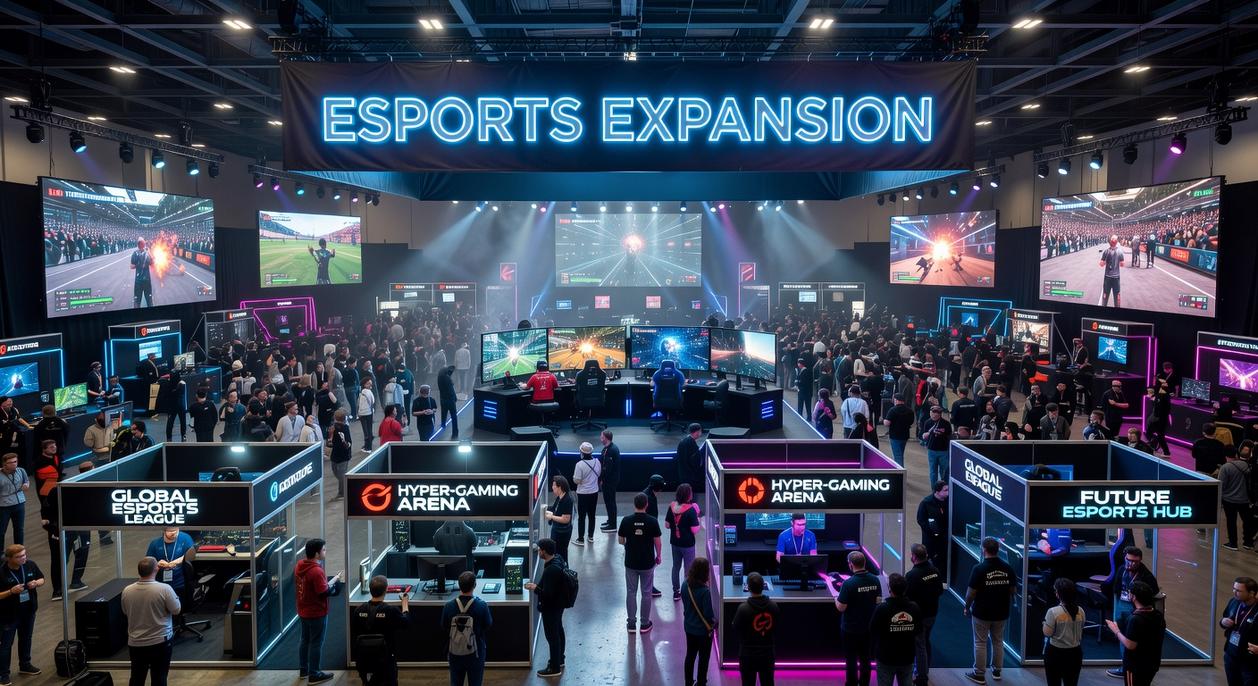
I still remember watching The International’s prize ticker climb in real time. Every few seconds, the number jumped—$10 million, $15 million, $20 million—fueled by players buying in-game Battle Passes. That was my first glimpse into how crowdfunding could transform competitive gaming.
Case Study 1: The International (Dota 2)
The International perfected the crowdfunding model, where a portion of in-game purchases goes directly to the prize pool. Crowdfunding, in this context, means the community financially contributes to the rewards players compete for. As a result, esports prize pool growth became a headline event in itself. Critics argue this creates unstable expectations—what happens if fans stop spending? Fair point. Yet Valve’s approach also deepens player investment in the ecosystem. When fans fund the stakes, they feel part of the spectacle (and yes, they’ll remind you of it in Twitch chat).
Case Study 2: Fortnite World Cup
Then came Fortnite’s $30 million World Cup—pure blitz marketing. A publisher-funded, one-time spectacle designed to dominate headlines. It worked. Even friends who never touched a controller were suddenly asking about competitive Fortnite. Skeptics say it was unsustainable hype. They’re not wrong. But as a player, I saw how it pulled millions into the ranked ladder almost overnight.
Case Study 3: League of Legends World Championship
In contrast, Riot’s developer-funded model prioritizes stability. Smaller than Fortnite’s splash, but consistent. That consistency builds prestige over time—like the Super Bowl of esports. It may lack shock value, yet it ensures longevity, structured leagues, and steady talent development.
The Ripple Effect: How Big Prizes Change the Game
Big prize pools don’t just crown champions—they reshape entire ecosystems. As esports prize pool growth accelerates, the shift from side hustle to full-time profession becomes real. For pro players, that means:
- Career legitimacy – Gaming evolves from passion project to viable, high-stakes career.
- Higher standards – Peak physical conditioning, reaction training, and mental resilience become mandatory (yes, wrist stretches are now as important as warm-ups in the NBA).
- Performance pressure – With six or seven figures on the line, consistency separates legends from “almost” stories.
The upside? Players who adapt gain sponsorship leverage, media visibility, and long-term brand equity. That’s life-changing.
Larger prizes also justify smarter investment. Optimized controllers, stick mods, reduced input latency, even hiring analysts to review frame data—these are no longer luxuries. They’re competitive edges. If you’ve ever wondered why pros obsess over hardware tweaks, look behind the scenes how major esports events are organized to see how technical margins decide outcomes.
Of course, critics argue massive prize pools create a winner-take-all system that starves Tier 2 and 3 scenes. There’s truth there. Smaller circuits can struggle for sponsorship and exposure.
But here’s the benefit: bigger headlines attract mainstream sponsors, which eventually trickle down. When the spotlight grows, the whole stage expands (even if not evenly at first).
Start with an anecdote about watching a favorite league collapse overnight. I once followed a scene built entirely on one publisher; when support vanished, so did the prize pool. That PRIZE POOL BUBBLE is real: over-reliance on a single title makes teams fragile. Critics argue esports prize pool growth proves resilience, but growth tied to one ecosystem isn’t diversification. During economic headwinds, sponsors cut marketing, and crowdfunding dips.
Risk Factor | Impact
Single-game reliance | Revenue shock
Recession | Sponsor pullback
Franchised leagues promise stability through media rights and shared revenue, though some fans fear exclusivity. I see structure as necessary ballast today.
Prize pools are shattering records, but bigger isn’t always better. Yes, esports prize pool growth grabs headlines; however, the real story lies in how that money is structured. For example, titles like Dota 2 fund The International through in-game battle passes, directly tying fan spending to rewards. That model boosts engagement while revealing whether a community is truly invested. Meanwhile, leagues with revenue sharing and tier-two support systems create stability, not just spectacle. Critics argue massive payouts naturally trickle down. In practice, without structured amateur circuits, talent pipelines collapse. So next time you see a $40 million event, examine the funding mechanics behind it.
Level Up Your Competitive Edge
You came here to understand how modern gaming mechanics, controller mods, and competitive trends can give you a real advantage—and now you have the blueprint to do exactly that.
The reality is simple: if you’re not optimizing your setup, refining your strategy, and staying on top of esports prize pool growth, you’re falling behind players who are. The competition is sharper, faster, and more data-driven than ever. That’s the pain point most players ignore—until they start losing matches they should’ve won.
Now it’s your move.
Apply the optimization hacks. Fine-tune your stick sensitivity. Study the evolving meta. Track tournament trends. Small adjustments compound into massive performance gains.
If you’re serious about climbing rankings, dominating tournaments, and staying ahead of the curve, don’t stop here. Dive deeper into advanced controller mods, pro-level breakdowns, and competitive insights trusted by thousands of dedicated players.
Sharpen your setup. Master the mechanics. Take control of your competitive future today.