You load into the match with a flawless blueprint—lane assignments set, objectives prioritized, timing mapped out. Then five minutes in, it unravels. A surprise rotation, a stolen objective, a single misread—and your perfect plan collapses. The difference between average and elite players isn’t preparation alone; it’s real-time tactical adaptation. This guide breaks down how top competitors process chaos, reassess win conditions, and pivot instantly without hesitation. You’ll learn how to abandon rigid strategies, read shifting game states, and transform unexpected setbacks into calculated advantages that keep you one step ahead in every high-pressure moment.
The OODA Loop: Your Mental CPU for In-Game Adaptation
The OODA Loop—Observe, Orient, Decide, Act—is a military strategy model that works like your brain’s CPU during a match. Importantly, it’s not a one-time checklist. It’s a continuous cycle you repeat every few seconds (yes, even when you think you’re “just farming”).
Observe means gathering raw data: spotting an enemy on the minimap, hearing an ultimate trigger, or noticing a nearly empty health bar.
Orient is the critical filter. Here, you interpret context. That minimap dot isn’t random—it’s an isolated damage dealer. That ultimate sound? It signals vulnerability or threat. In other words, this is real-time tactical adaptation in motion.
Decide comes next. Based on context, you pivot—maybe abandoning a top-lane push to collapse mid.
Act is clean execution. Mechanics matter here; hesitation breaks the loop.
So what should you do?
- Actively scan your minimap every 3–5 seconds
- Pair audio cues with visual confirmation
- Reassess after every skirmish
- Practice faster rotations in scrims
For deeper awareness drills, study tracking player positioning to anticipate tactical changes.
Some argue rigid game plans win matches. However, static strategies crumble against adaptive opponents (think chess blitz, not checkers). Therefore, train your loop speed. Pro tip: review VODs at 0.5x speed to spot missed Orient moments.
Visual Data – Beyond What’s in Front of You
Your minimap isn’t decoration—it’s decision intelligence. In professional League of Legends matches, analysts have found that players glance at the minimap every 3–5 seconds on average (Riot Games esports breakdowns). That constant scanning builds map awareness, the ability to track enemy positions and anticipate rotations before they happen. If two opponents disappear from top lane, odds are they’re rotating. The counterargument? “Tunnel vision helps me win fights.” Maybe in bronze lobbies. But at higher tiers, ignoring map data is like driving while staring only at your hood.
Auditory Cues – Playing with Your Ears
Sound design delivers real-time updates faster than visuals. Studies on reaction time show auditory stimuli are processed roughly 20–40 milliseconds quicker than visual ones (Journal of Neuroscience). Footsteps behind a wall, a distinct reload click in Call of Duty, or an ultimate voice line in Overwatch all signal threat windows. Pro tip: lower music volume and boost effects audio for clearer positional reads.
- Footsteps = proximity and direction
- Ability activations = power spikes
- Reload sounds = push timing
Resource and Cooldown Tracking
Elite players use mental timers—internal countdowns tracking enemy cooldowns. If a defensive ultimate has a 120-second cooldown, that creates a measurable punish window. Data from Valorant Champions tournaments shows teams convert post-ultimate downtime into round wins at significantly higher rates.
Behavioral Pattern Recognition
Advanced competitors rely on real-time tactical adaptation. They log habits: aggressive post-respawn pushes, predictable flank routes, panic ultimates at low health. While some argue “just react faster,” evidence from esports VOD reviews shows predictive play consistently outperforms reactive play. Anticipation beats hesitation—almost every time.
The Pivot Point: How to Remap Your Strategy on the Fly
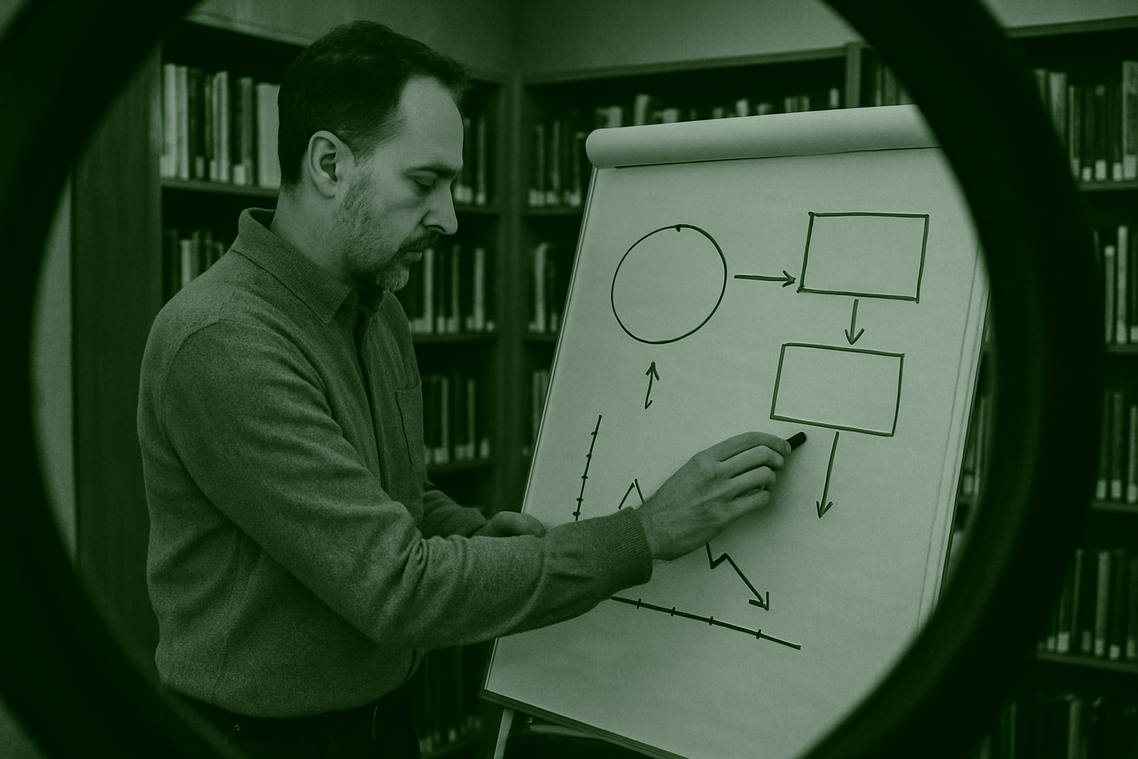
In competitive games, your win condition—the specific objective that will realistically secure victory—can change mid-match. Maybe you drafted for late-game team fights, but the enemy snowballs early. If they control objectives and vision, forcing 5v5 fights is no longer smart. Your new path might be split-pushing (applying pressure in side lanes) and avoiding direct combat. Recognizing this shift is real-time tactical adaptation: noticing gold gaps, map control, and scaling differences, then adjusting before losses stack.
The Risk vs. Reward Calculation
Before acting, pause and ask: What do I gain, and what could I lose?
| Scenario | Potential Gain | Potential Loss |
|———–|—————-|—————-|
| Chase low-health enemy | +300 gold, tempo | 4-man ambush, objective loss |
| Force team fight while behind | Shutdown bounty | Full team wipe |
If the downside outweighs the upside, disengage. (Yes, backing off can be the most aggressive smart play.)
Sunk Cost Fallacy in Gaming
The sunk cost fallacy means sticking to a bad plan because you’ve already invested time, gold, or cooldowns. Built items for team fights? Doesn’t matter if split pressure wins now. Abandon failing strategies quickly. Flexibility wins games; stubbornness fills highlight reels—for the enemy.
Executing the Audible: Turning New Decisions into Winning Actions
A smart call means nothing if your team can’t act on it. Clarity beats volume. Saying “Pivot Baron—ADC dead” gives location, objective, and advantage. Screaming “Help!” gives panic. The difference? Actionable data. Top teams treat comms like code—short inputs, clear outputs (think less chaos, more air-traffic control).
Mechanical fluency defines whether a decision actually lands. If you swap targets mid-fight but fumble your combo, the window closes. Build speed with drills:
- Practice target switching in custom lobbies every 10 seconds.
- Run ability-combo reps until execution feels automatic.
- Scrim with sensitivity variations to stress precision.
Most guides ignore this link between mechanics and real-time tactical adaptation—but it’s the edge that separates reactive players from decisive ones.
To reduce decision paralysis, pre-load one if-then rule per match: If shield drops, I engage. One trigger. One response. Confidence compounds.
Evolving Your Playstyle: Becoming the Unpredictable Player
Mastery was never about executing a flawless plan—it was about responding when that plan falls apart. Now you understand that the most dangerous player in any lobby isn’t the most mechanical, but the most adaptable. When chaos hits, your ability to shift, reassess, and counter is what separates you from predictable opponents.
The OODA loop gives you structure inside that chaos. Observe. Orient. Decide. Act. Repeat. This cycle is the foundation of real-time tactical adaptation—and it’s how you stay one move ahead.
If you’re tired of losing to the same patterns and feeling outplayed in clutch moments, it’s time to train differently. In your next three matches, ignore your win/loss record. Track one enemy cooldown. Read one habit. Break one expectation.
Start building adaptability now—and turn every match into a puzzle your opponents can’t solve.