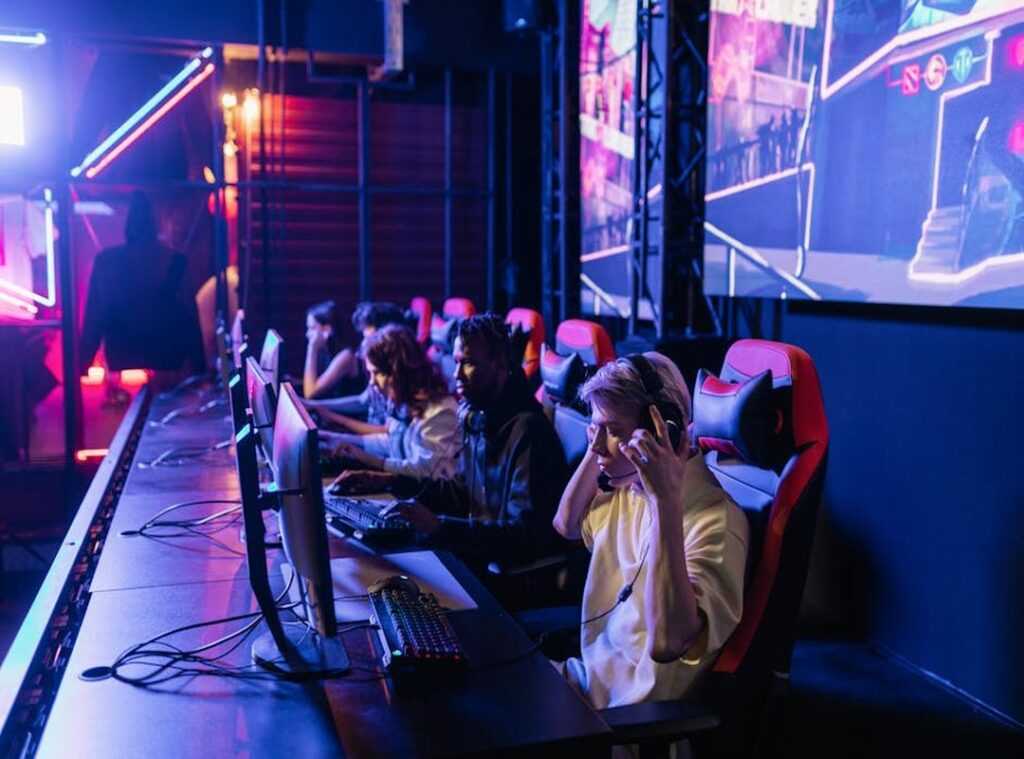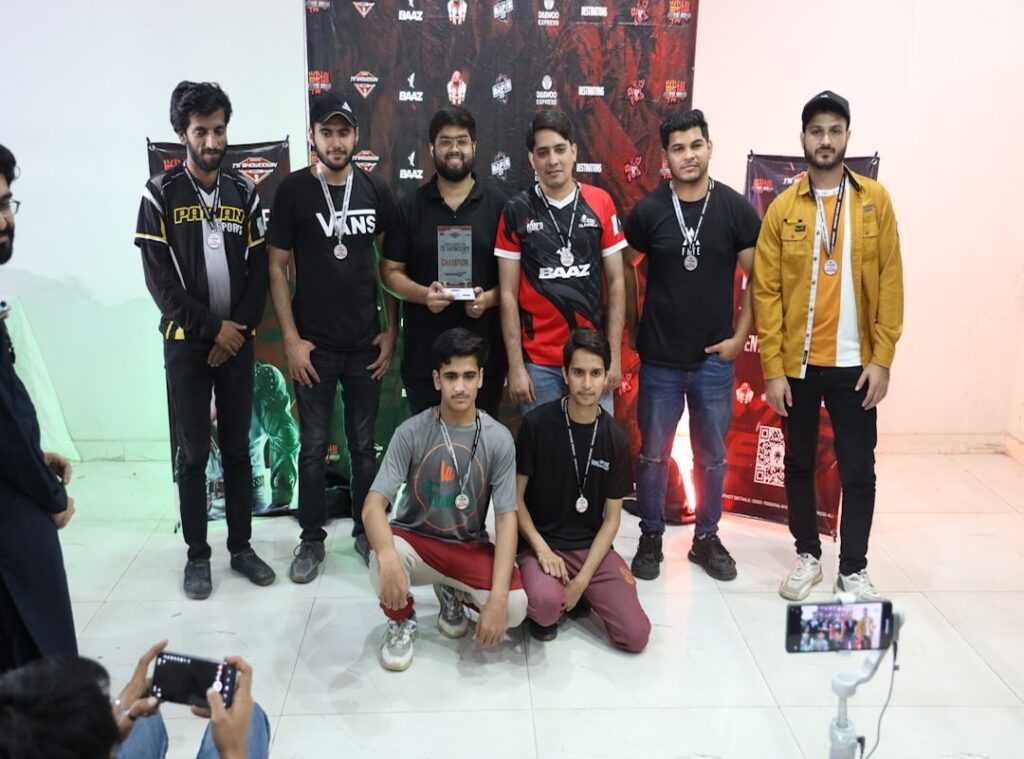

Ever dreamt of hosting your own esports competition? The roar of the crowd. The thrill of clutch plays.
Legendary moments that players and fans talk about for years. It’s a heady vision, right? But let’s face it, the idea is exhilarating, yet the reality feels like a chaotic nightmare.
Planning an event can be overwhelming. Where do you even start?
I’ve seen the best and worst in organizing esports event scenes. From grassroots beginnings to major local events, I’ve learned what works and what goes down in flames. You’ve got questions.
We’ve got the answers. This guide is stripped of fluff. It’s a step-by-step playbook that will walk you through every stage without the usual drama and pitfalls.
Ready to make your dream a reality? Let’s get started.
Phase 1: The Blueprint – Nailing Down the Fundamentals
Let’s dive in. Organizing esports events is no small feat. Especially with gaming’s explosive growth.
First, choose your battlefield. Pick a game that’s buzzing locally (you know, the one everyone’s talking about). There’s a world of difference between organizing a 1v1 fighting game tourney and a 5v5 team-based shooter.
The former’s all about head-to-head tension, while the latter demands more gear, more space, and definitely more coordination.
Next, pick your poison. What format suits your event? Single Elimination is quick and ruthless, which I love for the intensity.
Perfect for smaller groups. Everyone plays everyone, so there’s no hiding.
Double Elimination? It’s the crowd favorite for those wishing for redemption arcs. And Round Robin.
Ever witnessed a tournament break down into chaos? That’s what happens without a solid rulebook. Laying down the law is key.
Have a clear tardiness policy. Define what’s legal regarding controllers (including those fancy custom stick mods). Include a tough-love sportsmanship clause.
And, please, have a set dispute resolution process to curb drama before it begins.
Now, let’s size up the showdown. Are you dreaming of a massive paid-entry 64-person LAN or just a chill, free-entry online weekly? Define it.
With it comes budget constraints. Think venue, prize pool, equipment rental. All matter.
Recently, I was analyzing strategies recent esports champions, and wow, these takeaways feed right back into planning successful tournaments. Keep that in your back pocket.
In essence, before you even announce an event, have your fundamentals nailed down. It’s not just about what game or format you choose. It’s about laying a bulletproof plan to make sure every gamer walks away satisfied.
Ready to roll up your sleeves and make some magic happen? Let’s get started!
Phase 2: Gearing Up – The Tech, Tools, and Turf
Ever tried pulling off an organizing esports event without a solid setup? It’s chaos. to what you need.
The Command Center (Hardware Essentials): Beyond the standard gear (you know, consoles and monitors), there’s the less obvious stuff. Power strips, extension cords, and ethernet cables are lifesavers. A dependable router? Non-negotiable. Forget one of these, and you’re toast. I’ve seen it happen.
Online vs. IRL (Venue & Platforms): Virtual or physical, each has its quirks. Online, you’ll want platforms like Challonge or Battlefy. They’re intuitive, making life easier for everyone involved. But don’t forget IRL events. You need a venue with plenty of power outlets and rock-solid internet. Space is a big deal too. If folks can’t move around without knocking things over, you’re in trouble.
The Controller Conundrum (A Unique Angle): Controllers seem simple until they’re not. Have a stash of ‘house’ controllers because, trust me, someone will forget theirs. Set rules for custom or modded hardware, like those souped-up arcade sticks. Keeps the playing field even.
Broadcasting Your Glory (Streaming Setup): Streaming’s a whole different beast. What’s your plan? For a basic setup, use a console or single PC to stream gameplay. Add a webcam and overlay, and you’re a step up. If you want to go all out, use a dedicated streaming PC with a commentator setup. Scene switching adds flair.
Organizing these events is no small feat. Preparation is the edge. Whether online or in a live venue, logistics matter.
Get your gear right, set rules, and you’re halfway to success. Now go make your mark. This is what separates a good event from a great one.
Phase 3: Pump Up the Players – Promotion and Sign-Ups
Let’s get real. Organizing esports events isn’t a walk in the park, but it’s doable. First, where do you find your fighters? Think local gaming Discords, Facebook groups for specific games, or university esports clubs.

These are your goldmines. Subreddits are another gem. Plus, never underestimate the power of flyers at local game stores.
Trust me, they work.
Now, let’s talk about The Perfect Pitch. Your announcement needs to be killer. Here’s what you need: Event Name, Game, Date & Time, Location (or Online), Entry Fee, Prize Pool, and a Rulebook link.
Oh, and a direct registration link. Make it easy for them.
Engagement tactics? You bet. Create a dedicated Discord channel for attendees.
Post countdowns and share a ‘featured player’ spotlight. Run a poll about a specific rule or map choice. It’s fun, it’s engaging, and it builds momentum.
People love to feel involved.
Speaking of involvement, have you ever checked out the evolution prize pools esports? It’s fascinating to see how prize pools have grown over time. This could be a great conversation starter or even part of your promotional plan.
Pro tip: keep communication clear and concise. Confused players are not happy players. Nobody wants to dig through a wall of text to find the registration link.
Keep it simple. Keep it engaging. If you can do that, you’re halfway there.
Ready to hype up your event? Let’s do this!
Phase 4: Game Day – Run the Show Without Losing It
Alright, it’s game day, and you’ve got the weight of the world on your shoulders. Who knew organizing an esports event would feel like juggling flaming swords? First, let’s talk about the TO’s Survival Kit.
You need printed brackets (because tech can betray you), extra cables (HDMI, power. You name it), a power bank to keep your phone alive, plus water and snacks. It’s like assembling a spy kit, minus the cool gadgets.
Now, fires will start (metaphorically). Disputes will erupt over rules that everyone swears they know. Stay calm.
Reference the rulebook like it’s your personal bible. Communicate clearly if tech issues cause delays. No one likes waiting, but being upfront helps.
You’re also the vibe-master. Yes, you. Get a killer playlist going.
Engage with players between matches; it’s like being a DJ and a host at a party simultaneously. Use a mic to announce big matches. Keep the energy high and the atmosphere electric.
Your enthusiasm sets the tone for the whole event. You’re not just running a show. You’re creating an experience.
Step Up and Lead Your Tournament
Your dream of hosting an esports competition is right here. I get it, organizing esports event feels like herding cats. But it’s just a chain of achievable steps.
Stick to the guide: solid planning, clear rules, smart execution. No chaos. Just a memorable event.
And here’s my strong advice: stop dreaming, start planning. Pick your game, choose your format, take that key first step. Your community is waiting.
Want to be the one who pulls it all together? Then act now. Dive in and make it happen.
Your legacy? It starts today. Call us.
Let’s make magic.
 Yvendra Velmoria founded Tportstick with a singular mission: to bridge the gap between casual play and professional-grade performance. By focusing on the intricate nuances of gaming mechanics and the specialized world of stick-based controller mods, Velmoria has created a hub where technical optimization meets elite strategy. Under her leadership, the platform doesn’t just report on esports coverage; it provides the optimization hacks and pro-level insights necessary for players to master their hardware and dominate the digital arena.