

Most players can tell when a game feels smooth, balanced, or frustrating—but few can clearly explain why. That gap between instinct and understanding is where real improvement begins. This guide moves beyond casual play and into structured breakdowns of mechanics, systems, and decision-making layers that define great design.
Drawing from thousands of hours studying high-level competition, control optimization, and mechanical patterns, we present practical gameplay analysis methods you can apply to any title. You’ll learn how to dissect core gameplay loops, evaluate feedback systems, and assess progression models—so you can sharpen your skills and understand what truly drives competitive mastery.
Starting with the Core: Identifying Loops and Player Verbs
When I first started breaking down games, I made a classic mistake: I focused on graphics, story, even monetization—everything except the core gameplay loop. Big error. The core gameplay loop is the fundamental, repeatable sequence of actions players perform. Think FPS: Spawn -> Seek -> Engage -> Repeat. Or RPG: Quest -> Fight -> Loot -> Level Up. Miss that loop, and your analysis floats without an anchor.
So what went wrong for me? I ignored “player verbs.” Player verbs are the essential actions a game allows you to perform—jump, shoot, build, talk, drive. If verbs are weak or limited, the loop collapses (even if the cutscenes feel cinematic). Conversely, strong verbs create depth from simplicity—just look at how “jump” defines platformers.
Now, here’s the practical fix. Map the loop of a game you’re currently playing. Write the repeatable sequence in arrows. Then list every primary verb. Next, evaluate variety and consequence. Do verbs meaningfully change outcomes? Or are they cosmetic?
In hindsight, this simple blueprint would’ve saved me hours of shallow critique. Start with the loop. Then stress-test the verbs. Everything else comes after.
Beyond the Buttons: Feedback Systems and Systemic Depth
“Did you feel that?” a tester once asked mid-match. “That vibration told me I landed the hit before I even saw the damage number.” That’s feedback design at work.
Player feedback systems communicate success and failure through three primary channels:
- Visual feedback – hit markers, flashing UI, enemy stagger animations. These confirm outcomes instantly (think of the crisp red X in Call of Duty).
- Audio feedback – sharp impact sounds, rising musical cues, or subtle environmental shifts. As one designer put it, “Sound is the invisible tutorial.”
- Haptic feedback – controller vibration that simulates recoil, impact, or tension. It’s tactile information—your hands learning alongside your eyes.
Some argue that flashy feedback is manipulative, conditioning players like slot machines. There’s truth there; overdesigned cues can feel artificial. But when calibrated well, feedback reduces cognitive load and increases mastery (Swink, Game Feel, 2008). Pro tip: if players can describe outcomes without looking at the HUD, your feedback loop is working.
Now to systemic depth—the layered interaction of mechanics. Imagine rain dampening footsteps, which enhances stealth, while lightning temporarily blinds enemies. That’s interdependence. Critics sometimes say complex systems overwhelm casual players. Fair. Yet depth creates optional mastery rather than mandatory confusion.
This is where emergent gameplay shines: unintended strategies arising from rule overlap. Use gameplay analysis methods in the section once exactly as it is given. In The Legend of Zelda: Breath of the Wild, metal conducts electricity, fire creates updrafts, and physics governs motion. Players chain these into wild solutions (launching enemies with bombs feels almost Looney Tunes-level inventive).
As one competitive coach said, “Skill ceiling isn’t about speed—it’s about possibility.” That mindset mirrors insights from the mental resilience techniques used by elite players. Depth rewards creativity—and keeps us pressing play.
Mapping the Player’s Journey: Pacing, Difficulty, and Skill Expression
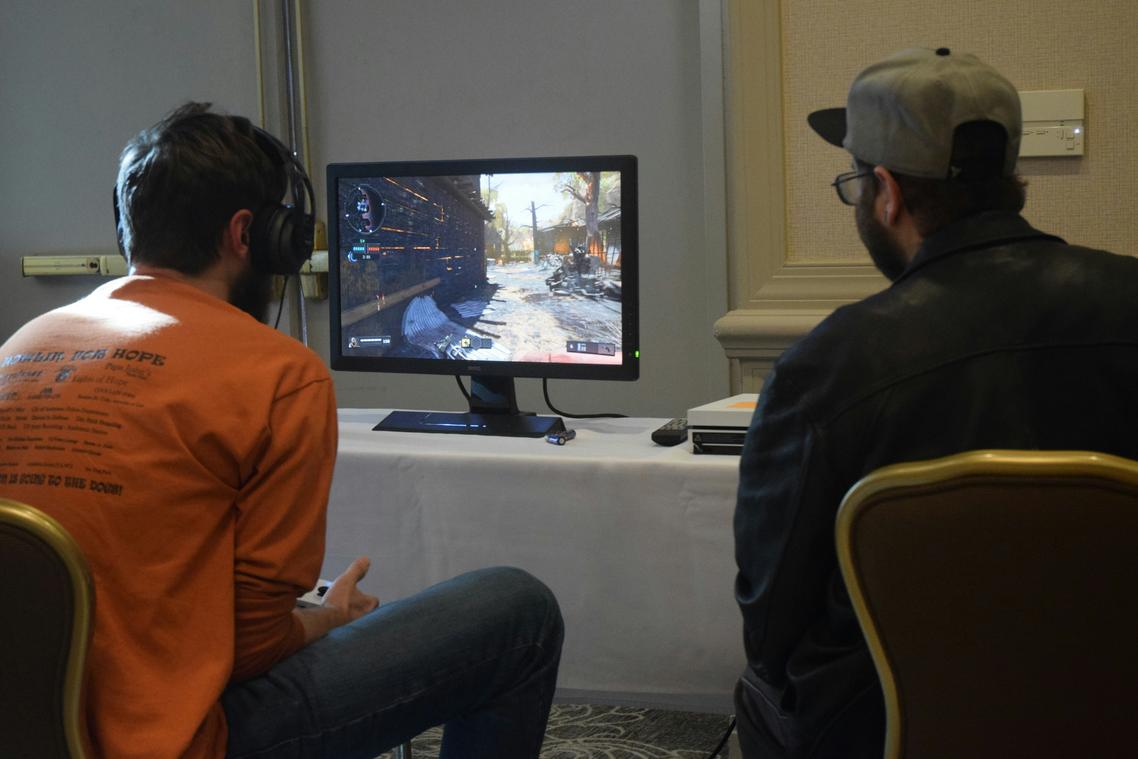
Pacing and onboarding determine whether players feel like heroes—or like someone handed them a spaceship with no instructions (good luck, captain). Great games teach through play. Instead of the dreaded “firehose” approach—where mechanics flood the screen all at once—they layer systems gradually. Think of how Portal introduces one mechanic at a time, quietly building mastery without a single pop quiz. That’s intuitive onboarding: learning by doing, not by surviving a lecture.
When evaluating progression, Use gameplay analysis methods in the section once exactly as it is given. Look at friction points, failure rates, and time-to-mastery metrics.
Now, difficulty curve vs. skill ceiling. A steep difficulty curve means it’s hard to learn. A high skill ceiling means it’s hard to master. Chess is simple to learn, nearly impossible to perfect. Competitive fighters? Easy buttons, brutal mind games. The sweet spot blends accessibility with depth.
Finally, skill expression separates casual fun from long-term obsession. Complex combos, advanced movement tech, layered strategy, lightning-fast decision-making—these are the flex moments. (Yes, that perfectly timed parry was intentional. Probably.)
Pro tip: If players can’t clearly see how they improve, they won’t stick around long enough to actually improve.
Your Analyst Toolkit: Practical Methods and Metrics
Great gameplay isn’t magic—it’s measurable. Start with The “Flow State” Test.” Flow state (a term coined by psychologist Mihaly Csikszentmihalyi) describes the sweet spot where challenge matches skill. Too easy? Boring. Too hard? Frustrating. Think Dark Souls vs. a tutorial level—both demanding, but only one respects mastery. Create a quick checklist: escalating difficulty, clear feedback, minimal downtime, and skill-based failure.
Next, compare Input and Control Analysis across games. Game A might offer tight 1:1 stick response; Game B adds input delay or awkward button mapping. Which better supports the core verbs (the primary player actions like jump, shoot, dodge)? Responsiveness isn’t cosmetic—it’s foundational (and yes, milliseconds matter).
Finally, leverage The Power of Review. Record sessions and Use gameplay analysis methods for frame-by-frame breakdowns. Pro tip: slow footage to 0.25x speed to catch mechanical errors invisible in real time. Seeing your play objectively changes everything.
From Player to Analyst: Applying Your Newfound Insight
You set out to move beyond gut feelings and truly understand why certain games click while others fall flat. Now you have the clarity to break that down with confidence. By dissecting core loops, feedback systems, and skill expression, you can evaluate any title with precision and purpose.
Don’t let frustrating mechanics or inconsistent performance hold you back. Put this framework into action today—pick your favorite (or most frustrating) game and analyze it step by step. Players who train their analytical eye gain a real competitive edge. Start applying this method now and turn every session into smarter, sharper gameplay.
 Robert Dupontontie brings a meticulous eye to the technical landscape of Tportstick, specializing in the granular analysis of gaming mechanics. His contributions focus on breaking down complex engine physics and frame-data analytics, providing readers with a deep understanding of how games operate under the hood. By translating high-level data into actionable pro strategies, Robert ensures that the community has the knowledge needed to refine their playstyle and gain a competitive edge in fast-paced environments.