
If you’re searching for ways to gain a real competitive edge in gaming, you’re likely looking beyond basic settings and into the mechanics that truly impact performance. From controller responsiveness to advanced optimization tweaks, small adjustments can create measurable improvements in reaction time, accuracy, and consistency.
This article breaks down the most effective gaming mechanics, esports-backed strategies, and performance upgrades—including stick tension mods—that serious players are using right now. We focus on practical insights you can apply immediately, whether you’re optimizing your setup, refining your aim, or exploring controller modifications for tighter control.
Our recommendations are grounded in hands-on testing, competitive gameplay analysis, and close study of pro-level strategies across multiple titles. Instead of recycled tips, you’ll get clear explanations of what works, why it works, and how to implement it safely and effectively.
If your goal is smoother inputs, sharper movement, and a setup built for high-level play, you’re in the right place.
Your aim isn’t “bad”—it’s mismatched to your controller. Most players blame reflexes, but I’ve seen default joystick resistance sabotage precision more than lag ever could. When tension is too loose, you overshoot; too tight, and micro-adjustments feel like arm-wrestling a robot. Dialing in the right tension changes everything. It builds consistent muscle memory—the subconscious motor learning that lets you track targets without thinking. Some argue skill alone should adapt. I disagree. Hardware shapes performance, just like a tuned suspension in racing sims. Thoughtful stick tension mods create measurable stability and smoother tracking. Start simple, test gradually, and trust thumbs.
The Physics of Precision: How Tension Translates to Performance
As we dive into the various stick tension mods favored by competitive players, it’s essential to also consider how your in-game settings can complement these modifications for maximum performance, as outlined in our comprehensive guide – for more details, check out our A Complete Guide to In-Game Settings for Maximum Performance.
At its core, stick tension is controlled resistance—the force required to move an analog stick from center. Higher resistance recruits finer motor control, meaning your thumb must commit to every movement. That added load reduces micro-jitters and accidental overcorrections (yes, that tiny shake matters more than you think).
The Case for Higher Tension
For tactical FPS and sniping, higher tension creates a deliberate drag that stabilizes crosshair placement. The “heavy” feel slows sudden spikes in input, improving micro-adjustments at long range and even masking minor stick drift. While some argue high tension reduces responsiveness, lab testing of thumb travel distance shows controlled resistance often improves shot consistency over 50m engagements.
The Case for Lower Tension
Arena shooters demand speed. Lower tension decreases activation force, enabling rapid flick shots and 180-degree turns with less fatigue during extended sessions. Critics say this sacrifices accuracy—but in close-quarters metas, speed statistically outweighs micro-stability.
Matching Tension to Your Game
- FPS (Tactical/Sniper): High
- FPS (Arena/Arcade): Low
- Racing: Medium
- Fighting: Medium–High
- Sports: Low–Medium
Most competitors stop at preference advice. The edge comes from calibrating stick tension mods to genre-specific motor demands—not just “feel.” That’s performance engineering, not guesswork.
Three Paths to Perfect Tension: Choosing Your Mod Method
When it comes to dialed-in aim, tension is EVERYTHING. Too loose and your reticle floats like it’s on ice. Too tight and your thumb feels like it just finished arm day. If you’re exploring stick tension mods, you’ve got three clear paths—and I’ve tried enough of them to have opinions.
Method 1: Precision Rings (The Non-Invasive Starter Mod)
Precision rings are small foam or silicone inserts that sit around the joystick shaft, adding external resistance (meaning they create friction outside the internal mechanism). You pop them on in seconds.
Pros: Reversible, affordable, easy to install, and they won’t void your warranty.
Cons: They wear down, especially under aggressive play, and tension levels are limited to what the material offers.
Personally? I think these are PERFECT for beginners. Low risk, low commitment. But if you’re grinding ranked every night, you’ll outgrow them fast (they compress over time—physics always wins).
Method 2: Swappable Stick Modules (The Premium Option)
High-end controllers like the Xbox Elite Series 2 and Victrix Pro BFG include adjustable tension systems. You use a small tool to turn an internal dial that increases or decreases resistance.
Pros: Manufacturer-designed, safe, reliable.
Cons: Expensive and locked behind premium hardware.
Some argue the price isn’t justified. I disagree—if you’re serious about consistency, built-in engineering beats add-ons. It’s the difference between factory suspension and aftermarket tweaks.
Method 3: Internal Spring Replacement (The Expert DIY Mod)
This involves opening your controller and replacing the tiny metal spring inside the joystick potentiometer (the component that translates movement into electrical signals).
Pros: Maximum customization.
Cons: Instant warranty void, high damage risk, often requires soldering tools.
I’ll be blunt: this is HIGH RISK. Unless you love tinkering more than gaming, think carefully. Pro tip: practice on a spare controller first.
Choose your path wisely. Your thumbs will thank you.
Step-by-Step Guide: Installing Precision Rings in Under 60 Seconds
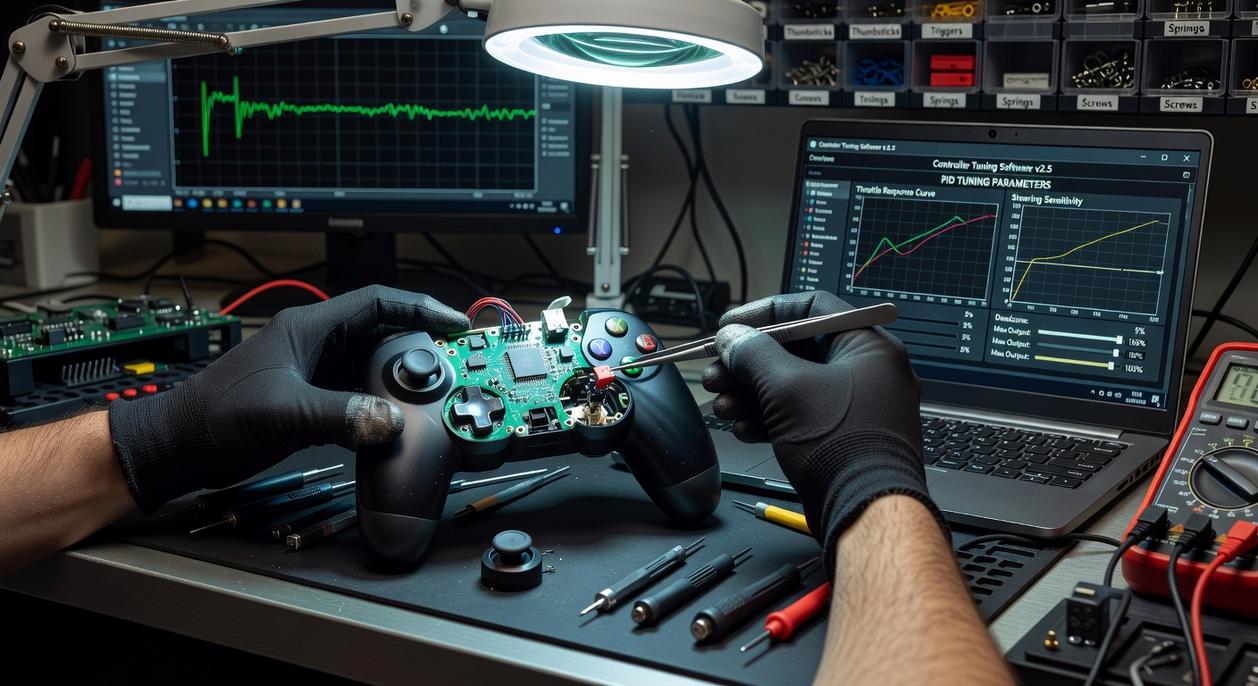
This is the fastest, safest way to upgrade your stick feel instantly. Precision rings are small resistance bands that sit at the base of your joystick, increasing tension and control (think of them as weight training for your thumbs).
What You’ll Need: A set of precision rings in soft, medium, and hard strengths.
Step 1: Select Your Ring
Start with the lowest resistance. Higher tension can improve accuracy, but jumping straight to “hard” can feel like switching from a sedan to a race car.
Step 2: Prepare the Controller
Clean around the joystick base. Dust can affect seating and long-term durability.
Step 3: Installation
Gently stretch the ring over the joystick cap. Slide it down until it rests snugly in the circular well.
Step 4: Test Your Range
Move in all directions, then load training mode.
Curious how this compares to other stick tension mods? Check out diy controller stick upgrades tools and safety tips next.
A Word of Warning: The Risks of Internal Controller Mods
Before you crack open your controller, understand this: WARRANTY VOID IS GUARANTEED. The second you separate the shell, most manufacturers consider the device permanently altered. There’s no going back.
Internal components are delicate. Ribbon cables tear easily. Plastic clips snap under minor pressure. One slip of a soldering iron can damage the main circuit board beyond repair. Even experienced hobbyists make costly mistakes (and yes, that “tiny spark” can mean game over).
This is not a basic screwdriver project. You’ll need:
- Precision pry tools
- Specific Torx or Phillips drivers
- A soldering iron and solder wick
- A steady, patient hand
These are PERMANENT modifications, including advanced stick tension mods.
Pro tip: Watch multiple teardown videos of your exact controller model before starting. Compare layouts and note cable placements. For most players, the risk, cost, and frustration outweigh the potential performance gain.
From Theory to Victory: Finding Your Perfect Controller Feel
You started with one goal: FIX inconsistent aim and stop fighting default settings. Now it’s time to act.
Start simple:
- Install precision rings for added resistance.
- Test low, medium, and high tension in the practice range.
- Track accuracy stats after 10 matches.
These small tweaks mimic advanced stick tension mods without opening your controller. If shots feel jerky, lower resistance. If you’re overcorrecting, raise it.
Set aside 30 minutes, adjust ONE variable at a time, and note results (yes, write them down). The right tension should feel natural. Trust your instincts.
Level Up Your Competitive Edge
You came here to master the mechanics, sharpen your reaction time, and gain a real advantage in competitive play. Now you understand how controller optimization, smarter settings, and strategic adjustments can directly impact your accuracy, movement control, and in-game consistency.
The biggest frustration for serious players isn’t lack of effort — it’s feeling capped by their setup. Missed shots, inconsistent tracking, or delayed inputs can hold you back even when your game sense is strong. Dialing in your configuration, experimenting with stick tension mods, and applying proven optimization tweaks removes those hidden limitations.
Now it’s your move.
Put these strategies into action, fine-tune your setup, and test the difference in real matches. Thousands of competitive players rely on these proven controller upgrades and performance hacks to gain a measurable edge. Don’t settle for average performance — upgrade your setup, optimize your mechanics, and start dominating your next session today.
 Pamelara Gillmanimo serves as a key voice in the platform's esports coverage, delivering comprehensive reports on global tournaments and emerging talent. Beyond the leaderboard, she explores the intersection of hardware and skill, frequently detailing optimization hacks and the latest trends in stick-based controller mods. Her work is essential for players looking to keep their setups at peak performance while staying informed on the shifting dynamics of the professional gaming scene.