If you’re searching for deeper insights into gaming mechanics, competitive play, and the evolving world of esports event organization, you’re in the right place. Serious players and fans know that skill alone isn’t enough—understanding controller optimization, meta shifts, tournament structures, and pro-level strategies is what separates casual interest from competitive advantage.
This article is designed to break down complex gaming systems into clear, actionable insights. Whether you’re looking to fine-tune stick-based controller mods, optimize in-game performance, or better understand how competitive events are structured and executed, we focus on practical knowledge you can apply immediately.
Our coverage is grounded in hands-on testing, close analysis of competitive matches, and continuous monitoring of the esports landscape. Instead of surface-level commentary, you’ll get detailed breakdowns, strategic context, and performance-driven guidance tailored to players who want measurable improvement—not just headlines.
From Concept to Competition: Your Esports Event Blueprint
Planning an esports tournament feels like queuing for ranked with strangers—exciting, chaotic, and risky. Start with clear objectives: community growth, sponsorship revenue, or talent scouting. Next, map logistics, tech stacks, and rule sets before marketing hype. Unlike generic guides, build latency tests, controller audits, and bracket stress simulations into esports event organization. Then, secure backup servers and moderators. Critics argue small events do not need redundancy; however, one outage can wreck credibility (just ask any streamer mid-finals). Finally, track KPIs and gather player feedback to refine future brackets. Pro tip: document everything.
Phase 1: The Strategic Foundation
Before the hype videos, sponsorships, or trophy photos, there’s one make-or-break stage: the strategy. Get this right, and everything that follows becomes easier, smoother, and far more profitable.
Choosing Your Arena
First, select the right game. This isn’t just about personal preference (sorry, nostalgia). Analyze player base size (the total active community), engagement levels on platforms like Twitch, and developer support for competitive play. A team-based FPS might attract larger squads and sponsors, while a 1v1 fighting game offers simpler brackets and cleaner storylines. Battle royales promise spectacle—but can be chaotic to manage.
Some argue you should just run the game you love most. Passion matters, yes. However, choosing strategically increases registrations, viewership, and long-term sustainability. That’s the real win.
Defining the Rules of Engagement
Next, lock in your format. Single Elimination is fast-paced and efficient—but one loss and you’re out. Double Elimination offers a second chance, which players appreciate (nobody likes flying home after one bad round). Round Robin ensures more matches per player, boosting engagement and perceived value.
The benefit? The right structure improves player satisfaction and keeps your schedule predictable.
Crafting the Rulebook
Now, create a clear rulebook. Define player conduct, cheat policies, disconnect procedures, and admin dispute resolution. Competitive integrity—the assurance that matches are fair and unbiased—depends on this. In esports event organization, ambiguity is your enemy.
Budgeting for Battle
Finally, map every cost: prize pools, venues, hardware, marketing, staff, and platform fees. A detailed budget prevents last-minute panic and protects your margins.
Pro tip: add a 10% contingency buffer. Because something always breaks (usually at the worst possible time).
Phase 2: Tech, Tools, and Tournament Platforms
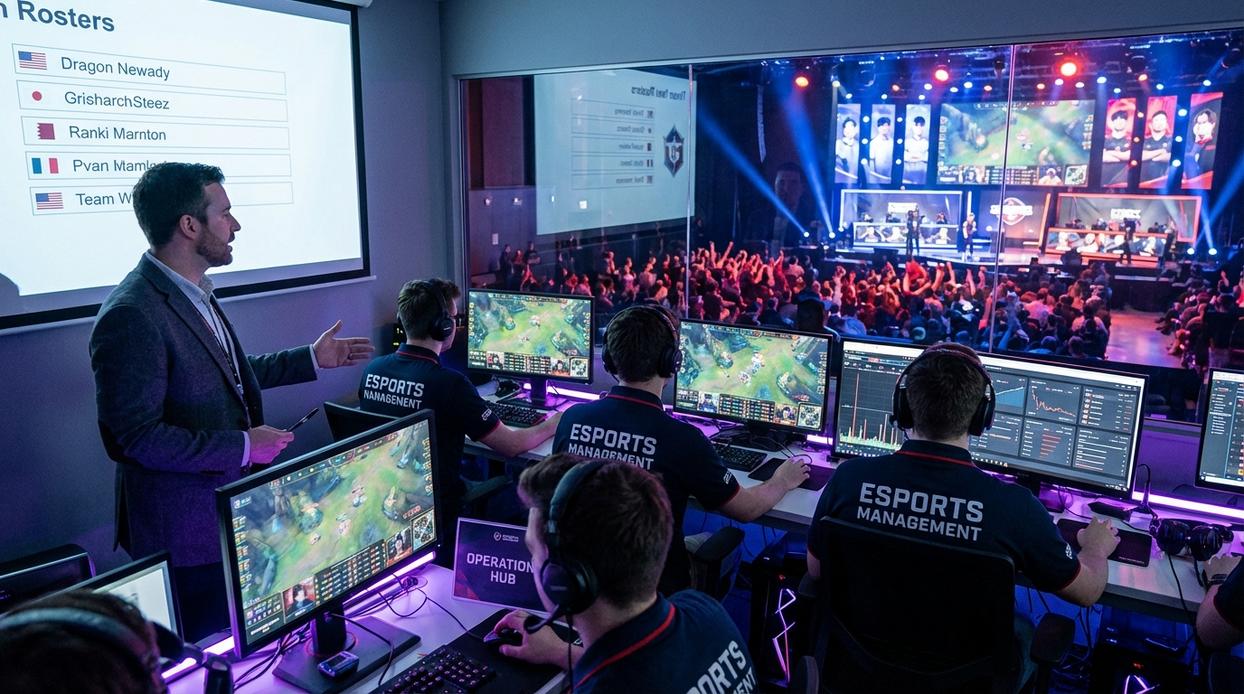
Your first decision shapes everything: ONLINE or LAN?
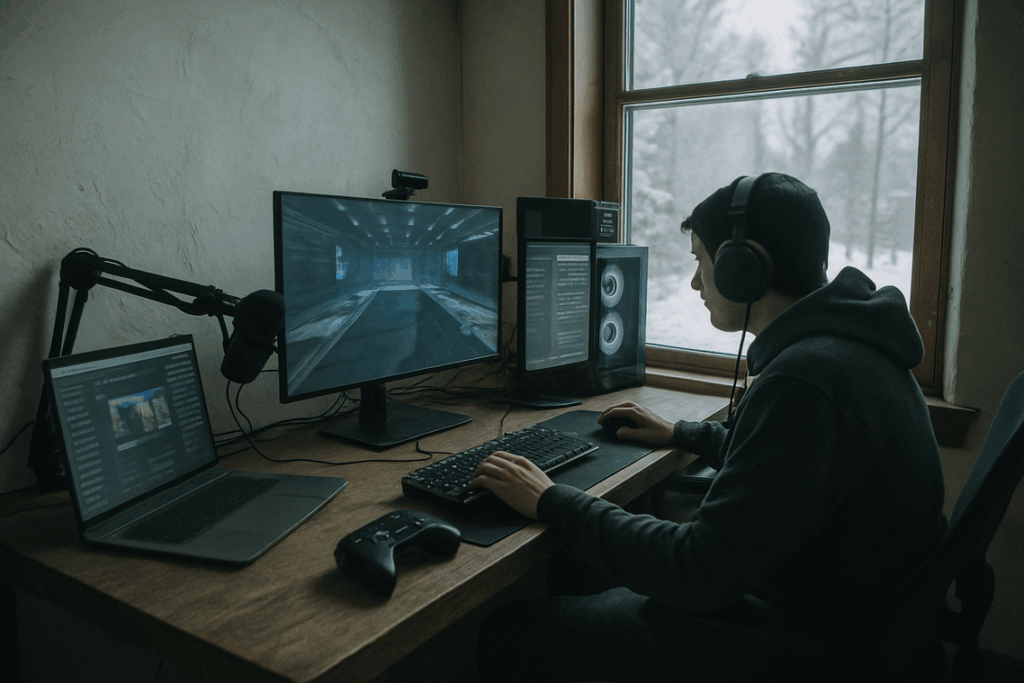
Online events offer global reach, lower overhead, and easier scaling. Players can compete from anywhere (yes, even from a bedroom setup that looks like a Twitch stream). But you sacrifice environmental control. Ping spikes, hardware inconsistencies, and home Wi‑Fi drama become your problem.
LAN events, on the other hand, deliver atmosphere, competitive integrity, and tighter production control. When everyone competes on identical setups, fairness improves dramatically. The tradeoff? Higher costs, logistics, and venue coordination.
Recommendation: If this is your first esports event organization project, start online. Master logistics digitally before investing in a physical venue.
The Hardware Gauntlet
Create a MINIMUM SPEC SHEET. Define CPU/GPU standards, required RAM, and storage type. For monitors, prioritize 144Hz or higher refresh rates—anything less creates competitive imbalance (and players will notice immediately).
For LANs, source identical peripherals. For online play, require players to confirm specs before approval. Pro tip: Require wired internet connections for online qualifiers.
Connectivity Is King
Low latency means minimal delay between player action and server response. For LANs, use dedicated fiber lines. For online events, choose servers geographically closest to the majority of players and publish lag dispute policies in advance.
Tournament Management Software
Use Battlefy, Toornament, or Challonge to automate brackets, check-ins, and score reporting. Manual tracking wastes time and invites errors.
Also, format matters more than most organizers realize. Review how esports tournament formats impact competitive outcomes: https://tportstick.net/how-esports-tournament-formats-impact-competitive-outcomes/
Choose tools that REDUCE FRICTION, STANDARDIZE PLAY, and SCALE WITH YOU.
Phase 3: Marketing, Hype, and Player Acquisition
Let’s be honest. You can run the smoothest bracket in the world, but if nobody shows up, it feels like hosting a party where only your cousin attends. That’s one of the biggest frustrations in esports event organization: pouring hours into logistics and getting crickets in return.
Building Your Event Brand
Create a unique name, logo, and visual identity. This isn’t just “nice to have.” It’s how players remember you. A clean banner and consistent color scheme signal professionalism (and yes, players judge fast). Think of it like a team jersey—recognizable and sharp.
Community Mobilization
Promote your event where your players already hang out: Discord servers, Reddit communities like r/tournaments, and game-specific forums. The pain point? Spammy posts get ignored. Instead, engage first. Answer questions. Share clips. Then promote. Earn attention before asking for it.
Seamless Registration
Nothing kills hype faster than a confusing sign-up form. Collect in-game IDs, contact info, and clearly outline rules, schedule, and prizes upfront. If players have to DM you three times for details, they’ll bail.
Sponsorship and Partnerships
Create a simple sponsorship deck outlining reach and value. Partner with local businesses, hardware brands, or creators to boost prizes and credibility. Bigger rewards attract stronger competition—it’s basic psychology.
Game day is where planning either shines or collapses. In my opinion, flawless esports event organization hinges on ruthless clarity. Assign Tournament Admins to enforce rules, Tech Support to squash hardware chaos, and Moderators to keep chat civil. Cut corners here and you will feel it. For broadcasts, I strongly recommend investing in sharp casting, polished overlays, and a producer who commands the show.
• Prioritize redundancy for streams.
• Run full tech rehearsals.
Use Discord as your central hub for announcements, check-ins, and admin coordination. Pro tip: rehearse crisis scenarios. Underline expectations early and your event feels effortless onscreen.
Beyond the Final Match: Building a Lasting Legacy
You now hold the full blueprint for esports event organization: planning, tech, marketing, execution. Chaos vs clarity—that’s the real matchup. Option A: improvise, react, and hope volunteers patch gaps (they won’t). Option B: follow a phased system, test checkpoints, and document fixes. One breeds stress; the other builds repeatable wins.
Legacy is built before the brackets lock.
Start small: a single-day online cup. Compare outcomes—no dry runs vs structured rehearsal. Gather feedback, refine workflows, and stack proof. Pro tip: measure player retention, not just peak viewers (flash fades fast). Build momentum deliberately.
Level Up Your Competitive Edge
You came here looking for a clearer edge in competitive gaming—whether that’s mastering mechanics, optimizing your setup, or understanding how high-level tournaments operate. Now you have a sharper view of the strategies, controller tweaks, and performance insights that separate casual play from consistent wins.
The truth is, most players stay stuck because they ignore the small optimizations that compound over time. Tightening your mechanics, refining your controller setup, and studying esports event organization structures aren’t “extras”—they’re the difference between plateauing and progressing.
If you’re serious about stepping up, don’t stop here. Apply one optimization today. Test a new controller mod. Break down a recent pro match. Study how competitive brackets and formats influence strategy. Small adjustments create big competitive gains.
Thousands of competitive players rely on proven strategies and optimization insights to sharpen their edge. If you’re ready to stop guessing and start improving, dive deeper into advanced guides, implement the tweaks, and turn your setup into a performance weapon. Your next win starts with what you do right now.
 Pamelara Gillmanimo serves as a key voice in the platform's esports coverage, delivering comprehensive reports on global tournaments and emerging talent. Beyond the leaderboard, she explores the intersection of hardware and skill, frequently detailing optimization hacks and the latest trends in stick-based controller mods. Her work is essential for players looking to keep their setups at peak performance while staying informed on the shifting dynamics of the professional gaming scene.