
If you’re searching for deeper insight into core gaming mechanics, competitive esports trends, and high-performance controller optimization, you’re in the right place. Modern gaming isn’t just about reaction speed—it’s about understanding the systems behind the screen and using that knowledge to gain a measurable edge.
This article breaks down the mechanics that truly impact gameplay, explores how stick-based controller mods influence precision and response time, and highlights optimization hacks used by serious competitors. Whether you’re aiming to refine your movement, improve aim consistency, or understand the strategic layers shaping today’s esports scene, you’ll find practical, experience-backed insights here.
Our analysis draws from hands-on testing, competitive gameplay breakdowns, and close observation of evolving esports strategies. Instead of surface-level tips, you’ll get clear explanations of what works, why it works, and how to apply it immediately—so you can play smarter, react faster, and compete at a higher level.
Decoding ‘Gameplay’: The Core of Interactive Fun
Why do some games hook you in minutes while others feel hollow despite stunning visuals? The answer is gameplay—a term everyone uses but rarely defines.
Gameplay is the blend of rules, feedback loops, player choice, and challenge. It’s how core gaming mechanics work together to create tension and reward.
Great gameplay delivers:
- Clear goals and responsive controls
- Meaningful decisions with visible consequences
- Balanced difficulty that scales with skill
When these align, a game feels addictive (like landing a perfectly timed combo). Understand these pillars, and you’ll quickly recognize what makes a game truly compelling.
The Rules of the World: Core Mechanics Explained
At the heart of every great game are its core mechanics—the fundamental verbs that define what a player can actually do. Jump. Shoot. Build. Trade. Talk. These actions form the playable language of a world. Without them, you don’t have a game—you have a loading screen with ambition.
Think about the jump in Super Mario. It’s simple, yet it defines timing, exploration, and enemy design. Or building in Fortnite, which transforms combat into vertical chess with shotguns. These actions aren’t features. They’re foundations.
Strong design isn’t about stuffing in dozens of ideas. It’s about refining a focused set of interconnected systems:
- Movement that influences combat
- Resource management that shapes strategy
- Risk-reward loops that reward mastery
Many competitors list mechanics without explaining their interdependence. That’s the gap. A limited toolkit with deep synergy creates a higher skill ceiling than a bloated one with shallow interactions.
At high levels, mastery comes from subtle overlaps—animation canceling, stamina buffering, economy cycling. These nuances transform basic inputs into competitive advantages. That’s where core gaming mechanics evolve from simple actions into systems that reward precision, creativity, and relentless optimization.
Your Choices Matter: Player Agency and Impact
Player agency is the ability to make meaningful decisions that affect the game world and its outcomes. In other words, your choices don’t just look different—they change something. Think of it as the difference between steering the car and sitting in the passenger seat.
On one side, you have high-agency experiences: RPGs with branching narratives or strategy titles where every move reshapes the battlefield. Choose faction A, and the world reacts. Invest in economy over military, and your late game looks completely different. On the other side are linear, on-rails adventures. They may deliver cinematic moments, but the path rarely bends. A vs B: influence vs observation.
However, not all choices are equal. A decision is only meaningful if you understand its potential consequences. Picking a random door isn’t strategy—it’s guessing. When players can weigh risks and rewards, agency becomes part of the core gaming mechanics.
In esports, this contrast sharpens. Engage now or rotate? Secure the objective or bait a fight? Even loadout customization becomes a strategic fork in the road. Small decisions, massive ripple effects (and yes, sometimes a highlight reel).
The Loop of Success: Feedback and Progression Systems
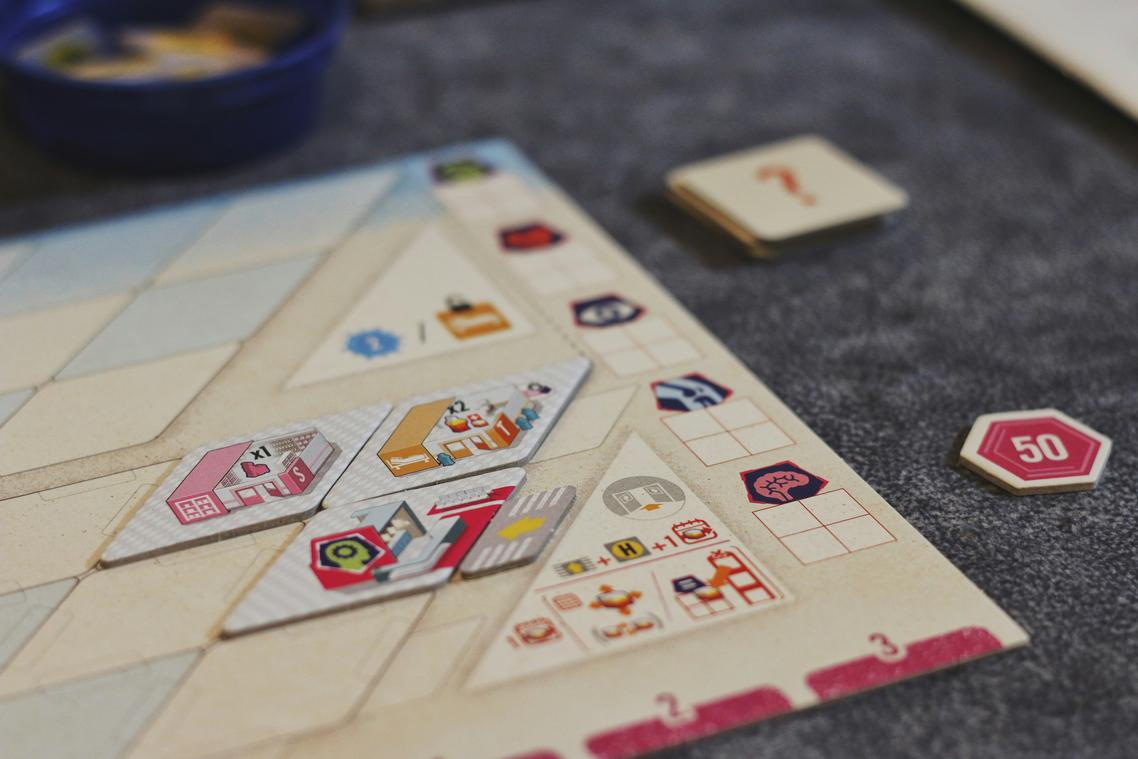
At the heart of great design sits the gameplay loop: Action -> Feedback -> Reward -> Repeat. In simple terms, it’s the cycle players perform again and again. You act (shoot, jump, craft), the game responds, you’re rewarded, and you dive back in. Think of it like a rhythm game—miss the beat, and the magic fades.
So what makes Loop A more satisfying than Loop B? The difference is feedback. Visual flashes, sharp headshot sounds, controller vibration—these signals communicate success or failure instantly. Compare a silent hit marker to a punchy, bass-heavy confirmation. Same mechanic, totally different emotional payoff (and yes, your brain notices). Research shows responsive feedback increases player engagement and retention (Nacke & Lindley, 2008).
Next comes progression. Leveling up, unlocking abilities, or earning better gear transforms repetition into growth. Without progression, repetition feels like grinding; with it, it feels like mastery.
Understanding these core gaming mechanics lets players refine strategy. For example, mastering advanced movement techniques to gain a competitive edge accelerates both feedback efficiency and reward cycles.
Pro tip: Track which actions yield the fastest rewards—and double down.
The sweet spot of struggle is where flow happens—the mental state where challenge perfectly matches skill.
When I first designed competitive matches, I confused difficulty with challenge. I inflated enemy health pools and called it depth. Players quit.
Artificial difficulty means stretching numbers; well-designed challenges test understanding of core gaming mechanics instead.
For example, a boss that demands timing and positioning feels fair, while a bullet sponge feels lazy (we’ve all yelled at that screen).
Gradually, I learned the power of the skill curve. Great games teach basics, then layer complexity, creating a smooth, rewarding climb.
Consider:
- Clear tutorials that respect intelligence
- Incremental enemy behaviors
- Feedback that explains failure
As a result, players adapt rather than blame the game.
Mastery, then, becomes the goal: executing combos effortlessly, reading patterns, entering flow on demand.
Some argue frustration builds grit. However, pointless friction kills engagement. True mastery balances tension and growth, keeping players returning for one more match.
That lesson cost me users, but it ultimately taught me to design for earned satisfaction. And respect their time.
Beyond the Pixels: The Critical Role of Game Feel
Game feel is the tactile, moment-to-moment experience of controlling a character or system—the invisible “juice” that makes movement satisfying. Think of it like the difference between swinging Thor’s hammer in a Marvel movie versus waving a plastic prop. At its core are input responsiveness, character momentum, sound design, and animation quality.
However, the controller is the final link in the chain. Low input lag and precise stick control aren’t luxuries; they’re essential, especially in competitive play.
Even flawless core gaming mechanics can’t save a title that feels sluggish. Frustration inevitably follows.
Great gameplay isn’t one single ingredient; rather, it’s the elegant fusion of mechanics, agency, feedback, challenge, and feel. Because of that, you can now dissect any title and pinpoint why it clicks—or why it flops. Start by examining its core gaming mechanics, then evaluate player choice, responsiveness, and difficulty balance. For example, think Dark Souls versus Mario Kart. Different flavors, same framework. Apply this lens to your favorite game and notice the magic working together.
Level Up Where It Matters Most
You came here to sharpen your edge—and now you understand how mastering core gaming mechanics, optimizing your setup, and applying pro-level strategies can completely change your performance.
The difference between winning and tilting usually isn’t talent. It’s missed inputs, unoptimized settings, and small mechanical gaps that compound under pressure. That frustration? The close losses? They’re fixable.
Act on what you’ve learned. Test the optimization tweaks. Refine your stick settings. Break down your gameplay with a focus on core gaming mechanics and intentional improvement. Track what changes. Adjust fast.
If you’re serious about climbing ranks and dominating your competition, don’t stop here. Join thousands of competitive players who rely on our #1-rated gaming insights for advanced controller mods, esports breakdowns, and performance hacks.
Your next win starts with smarter mechanics. Dive deeper now and start playing at the level you know you’re capable of.
 Robert Dupontontie brings a meticulous eye to the technical landscape of Tportstick, specializing in the granular analysis of gaming mechanics. His contributions focus on breaking down complex engine physics and frame-data analytics, providing readers with a deep understanding of how games operate under the hood. By translating high-level data into actionable pro strategies, Robert ensures that the community has the knowledge needed to refine their playstyle and gain a competitive edge in fast-paced environments.